Corridor Access Requests / Permit to Enter
 Permit to Enter (PtE)
For all work in or near the operational rail corridor
To apply for a Permit to Enter CLICK HERE
Why a Permit to Enter Is Required
A KiwiRail Permit to Enter (PtE) is required for any work in or near the operational rail corridor. The corridor is a high risk environment where trains operate at all hours and require long distances to stop.
A PtE ensures appropriate safety controls are in place and that work is coordinated with rail operations.
A PtE is essential because it provides:
Safety – it ensures the right controls are in place to protect workers, the public, and rail operations.
Coordination – activities must be scheduled to avoid conflicts with train movements.
Compliance – the PtE process supports compliance with the Railways Act 2005. Failure to obtain a valid permit is a breach of the Act.
Impact assessment – KiwiRail assesses and mitigates risks to trains, passengers, staff, and infrastructure before work proceeds.
Access control – ensures only authorised activities occur within the corridor.
The PtE is not just an administrative step — it is essential for safe, compliant, and coordinated access.
When a PtE Is Required
You must apply for a PtE if your work involves any of the following:
Working within 5 metres of the mainline
Any work or personnel within 5 metres of an operational track requires a PtE for safety and compliance.
Traffic Management Plans (TMPs)
If your work includes traffic management and is within 10 metres of track or within 100 metres of a level crossing, a PtE enquiry is required so KiwiRail can review and approve the TMP.
Work near electrical overhead wires
Electrical work may require an additional Electrical Safety Permit or Permit to Work Near Railway Power Lines.
Work inside KiwiRail facilities
Any work within five metres of mainline rail in operational facilities (e.g., mechanical or service areas) requires appropriate permission, which may include a PtE.
Other activity on KiwiRail land
Any activity that could affect rail operations, people, or infrastructure may require a PtE.
Before You Apply
KiwiRail Customer Number
If you have a KiwiRail Customer Number, you must provide it when applying. This ensures your applications are processed correctly.
If you do not have a number (or have previously used “910111”), select “I do not have a customer number”—the application system will assign the correct type automatically.
Applicants cannot create or enter new customer numbers manually
Purchase Order / Payment
Please provide a Purchase Order or credit card details when applying.
Applying for a Permit to Enter
To apply for a Permit to Enter:
To apply for a Permit to Enter CLICK HERE
If this is your first time applying, review the information on this page to ensure you understand what is required before submitting your request.
Location Specific Permission — Mainline vs. Non Interlocked Areas
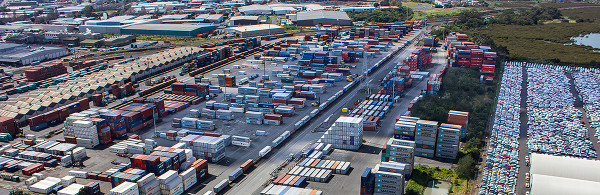
Not all work locations are the same. KiwiRail assesses your activity based on where it occurs:
Mainline (Interlocked) Areas
These are the primary tracks used for long distance and high speed train operations. Any work within 5 metres of the mainline requires a PtE.
Non Interlocked Areas (Freight Terminals & Mechanical Sites)
Non interlocked areas include freight terminals, RSAS/mechanical facilities, and yards that are beyond 5 metres from the mainline.
In these areas:
- A PtE may not be required for some activities
- A local site safety permit may be issued instead
- Additional supervision or coordination may be required depending on site conditions
You can reach out to nationalpermits@kiwirail.co.nz or the local terminal team, who will advise the correct permission pathway.
What Happens After You Apply
KiwiRail reviews all applications to:
- confirm the correct permission pathway
- identify any safety requirements
- determine supervision or protection requirements
You will be notified of the conditions and any additional steps needed.
Need Help?
If you have questions about applying for a PtE, customer numbers, or whether your work requires a PtE or a local site permit, please contact nationalpermits@kiwirail.co.nz
To apply for a Permit to Enter CLICK HERE