Wellington and Lower North Island
A stronger railway for the Wellington region
Wellingtonians deserve a train service they can rely on.
Significant investment in the region’s rail network is helping modernise infrastructure, improve reliability and prepare for more frequent services in the years ahead.
As upgrades continue across the network, passengers can expect a stronger and more resilient railway that supports population growth, reduces congestion and makes it easier to choose rail for everyday travel.
New battery electric trains from 2029
From 2029, Greater Wellington’s new Tūhono battery electric trains will replace diesel-powered services on the Wairarapa and Manawatū lines.
The new trains will deliver a quieter, more comfortable and lower-emissions journey while supporting a more efficient and reliable network.
More services, more choice
The introduction of Tūhono trains will significantly increase service options for passengers:
- Wairarapa services will increase from 10 to 20 services each day.
- The Capital Connection will be replaced by four return weekday services between Palmerston North and Wellington.
- Two return services a day will also operate on weekends.
More frequent services will provide greater flexibility for commuters, students and visitors travelling throughout the region.
Watch: New battery electric trains
Learn more about Greater Wellington's new Tūhono battery electric trains and how they will transform rail travel across the Wellington and Wairarapa regions.
These battery electric trains will be the first in the southern hemisphere.
Recent improvements
Significant improvements have been made across the Wellington region to create a safer, more reliable railway.
Recent upgrades include:
- Renewing sections of track across the network, including a complete renewal of the historic Remutaka Tunnel.
- Upgrading level crossings throughout the region and completing major infrastructure improvements such as the Ava Bridge repairs.
- Building passing loops on the Wairarapa Line, allowing trains to pass more efficiently and supporting future service increases.
- Stabilising slopes on the Johnsonville Line and strengthening coastal protection infrastructure along the Kāpiti Line.
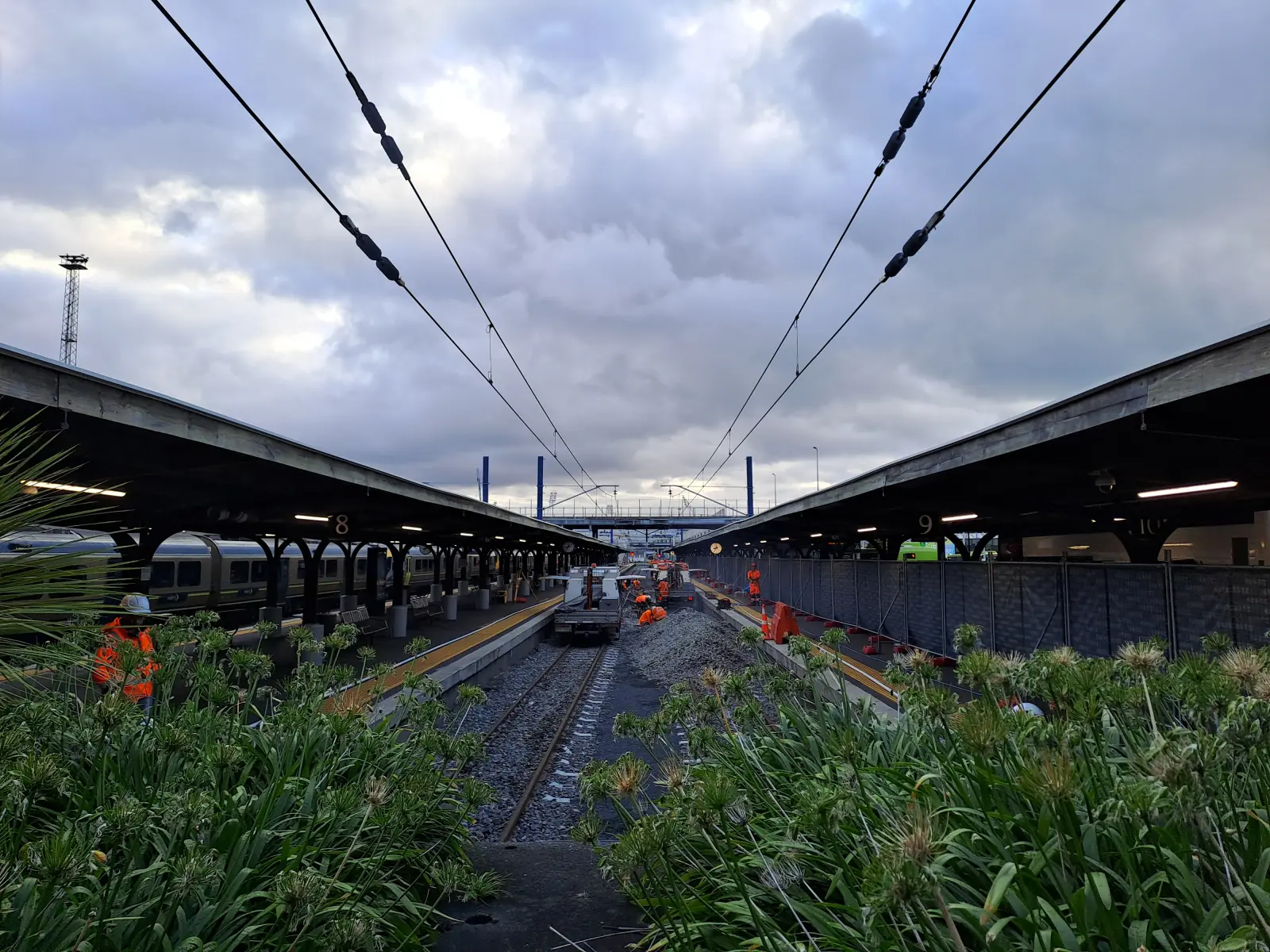
- Modernising Wellington Station by reconfiguring tracks and replacing historic lever-operated signals with a computer-based signalling system, creating capacity for more train services.
- Delivering a major programme of level crossing safety improvements on the Wairarapa Line, bringing the route closer to a fully upgraded safety system.
Next up for the network
Work continues across the network to improve reliability, increase capacity and prepare for the introduction of the new Tūhono battery electric trains.
Key projects include:
- Targeted upgrades to sections of track and infrastructure where speed restrictions have the greatest impact on performance and journey times.
- Installing additional power infrastructure to support more frequent train services across the network.
- Upgrading the Manawatū Line to accommodate the new Tūhono battery electric trains.
- Completing the final stages of the Wairarapa Line upgrade programme, including commissioning new level crossing safety systems.
Supporting a growing region
Wellington’s rail network already carries more than 14 million passenger journeys each year, and demand is expected to continue growing as more people choose rail as a sustainable and affordable way to travel.
Investment in new trains and network upgrades will help ensure the railway can meet future demand while delivering better reliability and performance.
While there is still work to do, continued investment is strengthening the network and reducing delays and disruptions over time.
Featured news
Rail thieves risk lives
KiwiRail and NZ Police are urging members of the public to report suspicious behaviour around the rail corridor as incidents of theft soar